Pest Management in North York: A Nearby Homeowner Guide
Why pest issues are common in North York
North York sits within Toronto, Ontario, and its pest pressures reflect the same urban conditions seen across the GTA. For residents, landlords, and business owners looking for pest control North York help, the key issue is that local pest activity is shaped by a mix of property age, crowding, weather, and access to food and cover. That means pest prevention is never one-size-fits-all.
Across many North York neighbourhoods, a one block can include detached homes, apartment buildings, townhouses, storefronts, and older low-rise properties. This mix creates plenty of opportunities for pests to locate harbourage in wall voids, crawl spaces, utility rooms, and basements. Places with older housing often have more wear around foundations, pipes, and siding, which can leave hidden entry points for insects and rodents.
Urban density also matters. When buildings sit close to one another, pests can spread from one property to another through common walls, utility entry points, garbage storage areas, and landscaping edges. In North York, that means a problem in one suite or one business can quickly become a neighbourhood issue. Pest pressure can also rise during periods of seasonal pest activity, when shifting weather drive ants, cockroaches, mice, and other pests indoors.
For numerous properties, the mix of older structures and dense neighbourhood design creates the ideal conditions for an infestation and return. For that reason effective pest management in North York usually requires more than extermination alone. It frequently calls for inspection, exclusion, sanitation, and ongoing monitoring.
Most common infestations in North York homes and businesses
Several pests show up again and again in North York homes, condos, restaurants, offices, and retail spaces. The most common concerns include ants, cockroaches, rodents, and bed bugs. Each pest behaves differently, but all benefit from food, moisture, clutter, and access to shelter.
Ant control becomes essential in spring and summer, especially when small colonies are searching for crumbs, water, or nesting sites near kitchens and foundations. Ants can move through tiny cracks and often use the same trails repeatedly, which makes prevention and treatment more effective when entry paths are identified early.
Cockroach control is a major concern in multi-unit housing and commercial kitchens. Cockroaches thrive in warm, humid environments and often hide near appliances, drains, storage areas, and cardboard packaging. Because they reproduce quickly, a small issue can become a larger infestation if sanitation and monitoring are not consistent.
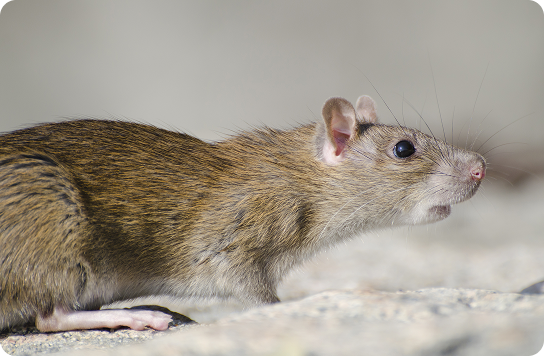
Rodents are an additional frequent issue, especially mice and rats. In North York, they commonly enter through small gaps around utility lines, doors, vents, and foundation cracks. They leave droppings, chew packaging and wiring, and create contamination risks. Effective rodent control typically requires exclusion, sealing sealed entry points, trapping, and follow-up inspection to reduce the chance of recurrence.
Bed bug treatment is often needed in apartment buildings and homes with frequent guest turnover or second-hand furniture. Bed bugs do not depend on food scraps the way ants or roaches do; they spread through luggage, clothing, furniture, and shared building infrastructure. Because they are small and excellent at hiding, early detection and professional treatment are often essential.
Wasp control also becomes relevant during the warmer months, especially around patios, eaves, garages, and outdoor meeting areas. Wasps can be aggressive near nests and may pose a serious concern for families, staff, and customers. In business environments, they can also impact outdoor seating and customer traffic.
Seasonal pest management concerns in North York
Infestation activity in North York changes with the seasons, and the different seasons brings different risks. Residents who know these patterns are in a stronger position to use preventive care and limit costly treatment later.
Spring is a frequent period for ants, wasps, and moisture-related pest issues. As temperatures rise, insects become active again and begin searching for food, nesting sites, and access to warmth. Spring is also a smart time for inspection, since winter can expose cracks, shifting foundations, and other vulnerabilities that pests may use.
Summer usually brings the highest visibility of insect activity. Ants, wasps, flies, and bed bugs often create the most complaints during this season. Increased travel, outdoor dining, and open windows can all contribute to pest movement. In North York, summer pest pressure can be particularly noticeable near green space, restaurants, and busy residential buildings with frequent turnover.
Fall is when rodents often become a more pressing concern. As temperatures drop, mice and rats look for warm indoor nesting sites and easy food sources. This is when seasonal infestations can begin in attics, basements, storage rooms, and wall cavities. Homeowners in Toronto and across Ontario often see an increase in indoor rodent activity as weather cools and outdoor shelter becomes less attractive.
Winter is a critical season for rodent control. Toronto winters push pests indoors, and winter rodent activity can intensify when outdoor food is scarce and heating systems make buildings more appealing. Mice and rats may enter through garage gaps, foundation cracks, service openings, or poorly sealed doors. In winter, prevention depends heavily on exclusion, monitoring, and keeping indoor food waste tightly managed.
Local factors that affect pest pressure
The area is not consistent, and pest pressure differs depending on property type, surrounding land use, and how buildings are maintained. That is why local pest control strategies need to account for unique neighbourhood conditions rather than just broad advice.
Apartment buildings often face the greatest risk of transferring pests between units. Shared walls, common plumbing, garbage chutes, and utility chases can let cockroaches, bed bugs, and rodents move through the structure. In these settings, individual treatment helps, but property management and coordinated monitoring are usually necessary to keep the problem under control.
Townhomes can present a separate challenge. They may have shared walls, compact utility areas, and limited access around the exterior. Pest pressure often builds in hidden spaces such as attic transitions, deck connections, and foundation seams. Because these buildings often sit close together, pests can move from one unit to another with unexpected ease.
Basements are another common concern in North York. Older homes often have unfinished or partially finished basements that provide shelter, humidity, and nesting areas for rodents and insects. Basements can also connect to crawl spaces and utility runs, which makes them a frequent hub for harbourage and unnoticed activity. Damp areas, stored cardboard, and clutter increase the chance of infestation.
Green space is valuable for neighbourhood quality of life, but it can also influence pest activity. Properties near parks, wooded edges, or heavily landscaped yards may see more wildlife-adjacent pest pressure, including ants, wasps, and rodents moving in from outside. At the same time, trees, shrubs, and mulch beds can provide cover near foundations if they are too close to the structure.
Because North York is part of Toronto, local pest patterns often mirror broader urban pest trends across the city. The combination of transit corridors, commercial strips, residential density, and older housing stock means that pest control North York concerns are closely tied to the same citywide conditions seen throughout Toronto and Ontario.
Signs suggesting you need professional pest control
Some pest issues can be managed with simple prevention, but others need thorough inspection and treatment. If you notice initial warning signs, the sooner you act, the easier it is to stop the infestation from spreading.
One of the clearest indicators is droppings. Rodent droppings in cupboards, behind appliances, in basements, or near food storage areas usually point to ongoing mice or rats. Insects can leave evidence too, including shed skins, pepper-like debris, and stains in hidden areas.
Gnaw marks are an additional major warning sign, especially with rodents. Chewed packaging, damaged wires, torn insulation, and bite marks around baseboards or stored materials often signal ongoing nesting and movement. Because rodents need to gnaw constantly, visible damage usually means the problem is not isolated.
Finding entry points is also important. Gaps around pipes, cracks in foundations, loose vents, warped door sweeps, and openings near utility lines can all serve as access routes. If you can see where pests may be entering, you likely have a prevention issue that needs correction, not just spot treatment.
Finally, a noticeable infestation or repeated sightings should never be ignored. Seeing pests in daylight, finding activity in multiple rooms, or noticing them return after DIY treatment can mean the source has not been resolved. Professional pest control can identify nesting areas, breeding sources, and structural vulnerabilities that are easy to miss.
Prevention advice for North York property owners
Effective pest control starts with prevention. For North York property owners, the most effective approach combines sanitation, sealing entry points, moisture control, and routine inspection. These steps can minimize attractants and make buildings less welcoming to pests.
Cleanliness is crucial. Food crumbs, grease, open garbage, and poorly cleaned storage areas all attract pests. Kitchens, locker rooms, shared laundry areas, and mechanical spaces should be cleaned routinely. In commercial properties, food waste and recycling must be managed carefully to reduce pest access and odor trails.
Closing gaps is one of the most important exclusion steps. Caulking gaps around pipes, repairing weatherstripping, installing door sweeps, and patching foundation cracks can help create sealed entry points. Because even tiny openings can let in mice or insects, exclusion should be careful and ongoing rather than a one-time fix.
Proper food storage practices also matter. Dry goods should be stored in sealed containers, pet food should not be left out overnight, and pantry items should be checked for damage. In shared buildings, property owners and tenants both benefit when storage rooms and lockers are kept neat and free of exposed food packaging.
Moisture control can make a major difference, especially in basements and crawl spaces. Dehumidifiers, proper ventilation, and timely leak repairs reduce moisture that attracts pests and supports nesting. Cockroaches and some other pests are strongly linked to damp conditions, so controlling humidity helps lower risk.
Preventive maintenance should also include routine checks around appliances, drains, exterior walls, vents, and storage spaces. In North York’s mix of older homes, multi-unit buildings, and commercial corridors, early prevention is often the most cost-effective form of pest management.
What to look for from pest control North York solutions in North York
Qualified pest control services in North York typically commence with a thorough assessment. The technician looks for infestation signs, activity levels, property damage, nest sites, and travel paths. This step is especially important in Toronto-style city settings where the origin of the problem may be concealed in wall voids, utility chases, or shared areas.
After the inspection, the provider typically suggests a service plan tailored to the property. For instance, rodent issues may call for trapping, sealing, and monitoring. Bed bug treatment may involve a combination of preparation, targeted applications, and follow-up checks. Ant control and cockroach control often include baiting, sanitation recommendations, and residual protection in key zones.
Many solutions also include follow-up appointments. These are crucial because pests often survive initial treatment, particularly if eggs, hidden nests, or secondary entry routes remain. Follow-up monitoring helps ensure that activity is declining and that recurrence is unlikely.
Current providers often use integrated management, a strategy that blends inspection, prevention, habitat reduction, targeted treatment, and ongoing monitoring. This approach focuses on sustained mitigation rather than quick fixes. It is especially effective in dense North York settings where pests can easily migrate between buildings and units.
Depending on the issue, the service may also include extermination, exclusion, sanitation planning, and preventive maintenance recommendations. The goal is not only to remove pests but to reduce the conditions that enabled them in the first place.
When to call a local pest control company
There are situations when self-managed methods are not effective. If you are dealing with recurring infestations, a local pest control company in North York can help pinpoint the deeper cause rather than just handling visible symptoms. Recurring problems with mice, rats, cockroaches, or bed bugs often indicate a hidden source that needs expert attention.
Shared properties are a further situation where calling a professional makes sense. Apartment buildings, townhomes, and shared commercial spaces often need coordinated service because pests can move through common areas, adjacent units, or structural gaps. Property management teams also https://toronto-onux702.novacrestiq.com/posts/ant-management-in-north-york-nearby-pest-services-that-work benefit from documentation, monitoring, and a plan that can be applied uniformly.
Wellness risks should always be taken seriously. Rodent contamination, cockroach allergens, and bed bug bites can all affect comfort and safety. In food-related businesses, pest activity can also harm compliance, reputation, and operations. Rapid intervention helps limit exposure and reduce the chance that the issue spreads further.
If the infestation is active and moving quickly, ask for rapid response. Fast action matters when pests are nesting, reproducing, or spreading through a building. A local provider familiar with North York and Toronto property types is better positioned to act on the specific layout, season, and pressure points involved.
For homeowners and business operators, the best time to call is often as soon as signs appear. Early inspection and targeted treatment can prevent a small issue from turning into a larger, more expensive problem.
FAQ
What pests are most common in North York homes?
In North York homes, the most common pests usually include ants, cockroaches, rodents such as mice and rats, and bed bugs. Depending on the season and property type, wasps can also be a concern around exterior spaces. Homes with basements, older construction, or nearby green spaces may see more frequent activity.
How do weather changes affect pest control in North York?
Seasonal changes have a big impact on pest control North York properties need. The spring season and summer often bring more ants, wasps, and bed bug activity, while fall and winter typically raise rodent pressure as pests move indoors for warmth and food. Toronto winters in particular can drive mice and rats inside, making exclusion and monitoring especially important.
What are the signs of a rodent infestation in North York?
Frequent signs include droppings, gnaw marks, scratching noises, grease trails, torn food packaging, and nesting material in basements, crawl spaces, or behind appliances. You may also notice entry points around pipes, vents, or foundation cracks. If you see these signs, rodent control should start quickly to reduce contamination and recurrence.
How can apartment residents prevent bed bugs and cockroaches?
Apartment residents can help by maintaining sanitation, storing food in sealed containers, reducing clutter, inspecting second-hand furniture, and reporting issues early to property management. In apartment buildings, shared walls and utilities can allow pests to spread, so prompt inspection and coordinated treatment are important. Bed bug treatment and cockroach control work best when the entire affected area is addressed, not just one unit.
When should I call a professional pest control service in North York?
Call a professional when you see recurring infestations, signs of rodents or bed bugs, pest activity in multiple rooms, or evidence that pests are entering through hidden gaps. Multi-unit properties and commercial spaces often need professional support sooner because pest movement can spread quickly. A local company can provide inspection, treatment, follow-up visits, and integrated pest management to reduce the chance of recurrence.